

Can I Clean My Dogs Neuter Incision
- Not a substitute for professional veterinarian help.
Nursing your dog back to wellness after surgery is a major responsibility. Even a simple, routine functioning requires post-obit your vet's post-op instructions. Luckily, once yous're armed with a trivial preparation and the right data, caring for your canis familiaris'southward stitches should be smooth sailing.
Here's what to expect after your domestic dog's surgery.
Caring for your canis familiaris'south stitches: The do's and don'ts
-
Via Unsplash
Before your canis familiaris returns home from surgery, make sure everyone in the household is clear on their post-op restrictions. The unabridged family unit needs to exist on board with keeping Fido'southward stitches safe and clean.
The "do's" of canine mail-surgical care:
1. DO restrict your dog'due south activity level. Your dog's wound needs fourth dimension to heal, and an overly active canis familiaris may stretch or rupture their stitches. Limit their activeness for a minimum of 7-14 days. There are also the side effects of painkillers to consider, which tin can tedious your canis familiaris'due south reflexes and make ordinary activities (like climbing a few steps) dangerous.
Dr. Robin Downing, Hospital Director of The Downing Eye for Fauna Pain Management, LLC in Colorado, confirms the importance of restricting activity. She tells us, "If their veterinarian has done a good task with hurting management, they may try to exist more agile than they should be. It is OUR responsibility to be the adult in the room and to provide advisable solitude and action restriction. Dogs do non listen well when nosotros tell them to 'have information technology easy.'"

So how do y'all limit your domestic dog'south action?
- When you take your dog exterior, use a short leash and keep the walk brusk.
- Supervise them around other dogs, and immediately break upward whatever rough horseplay.
- Discourage jumping on article of furniture.
- Block admission to staircases.
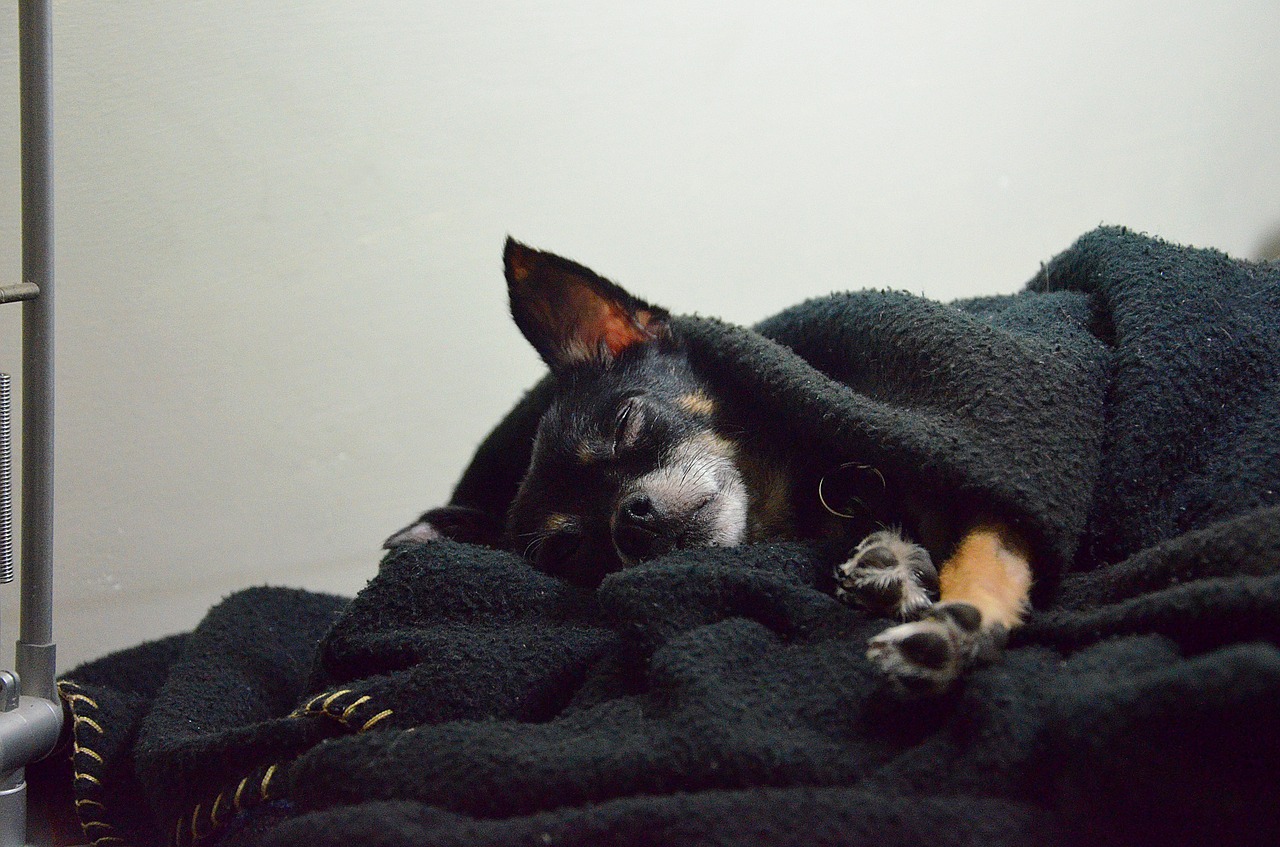
- Temporary confinement will likely be necessary. "This may mean using a crate or tethering him or her to your waist or to a chair or table leg near you. That manner they can be close but not crazy," Downing says. "I generally recommend crating when no one is home during the immediate post-operative healing menstruum." A small, tranquility, confined room can likewise serve as a good place for your canis familiaris to remainder and heal.
- Extra rambunctious dogs may require sedatives to assist them rest.
-

Via Unsplash
What if your canis familiaris appears "back-to-normal" sooner than expected? They might be eager to resume their normal routine, simply yous should continue to limit their activeness for the full length of time, as recommended by your vet.
two. DO inspect the incision twice a twenty-four hours. If the incision isn't covered with a bandage, you should cheque the site regularly to make certain information technology's healing properly.
3. DO clean surgical drains as instructed. If your dog had surgical drains placed during their functioning, follow your veterinarian's instructions for cleaning them.
4. Practice follow medication instructions. It'southward probable your dog will be sent home with antibiotics and/or painkillers. Stick to their schedule and administer the proper dosage to facilitate healing.
5. DO ask for veterinary communication when you're unsure. Your vet or vet tech can instruct you lot on things like how to safely lift your pet, etc. If any after-care instructions are unclear to you, ask for clarification. Find out your vet's protocol for after-hours, in example a problem arises.
6. DO make "crate rest" equally comfortable as possible. This is especially important if your canis familiaris isn't used to being confined to a crate. Make things cozy with a bed, food and h2o, and your dog's favorite stuffed toy.
seven. DO give your dog enough of attending. This is an easy one. Yous probably already shower your dog with loads of love—but crash-land it upwards a notch later on surgery.
-
Via Pixabay
The "don'ts" of canine post-surgical care:
one. DON'T bathe your dog. Proceed their surgical incision and stitches dry out. Don't apply any Neosporin or lotions, unless your vet instructs you to. It's peculiarly important non to utilise hydrogen peroxide or alcohol to make clean the stitches—this will hinder the healing process.
two. DON'T allow your domestic dog to bite or scratch their incision. Aggravating the surgical site tin introduce infection or remove the stitches. Information technology only takes a few minutes of licking or bitter to remove stitches, and so be vigilant with this.
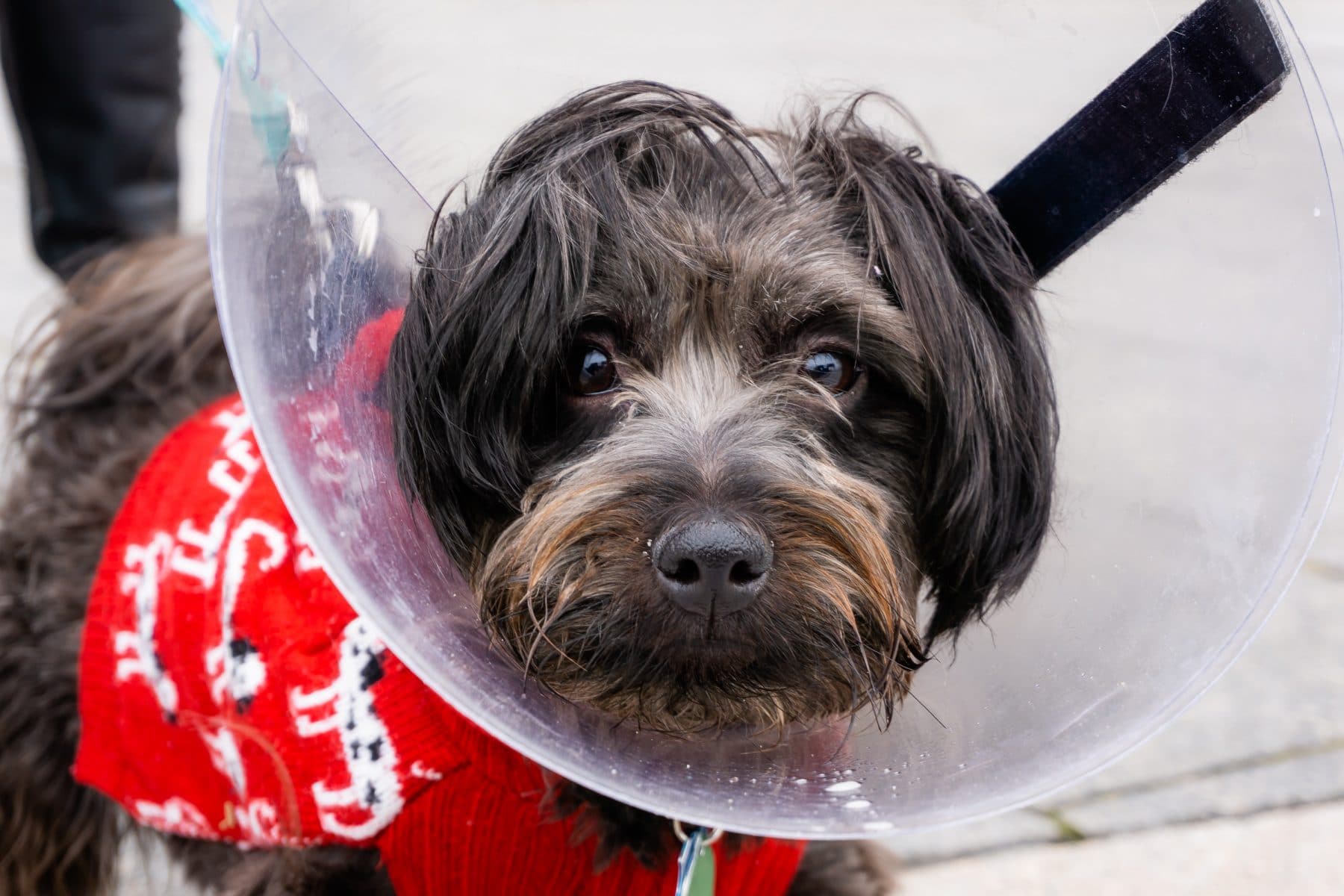
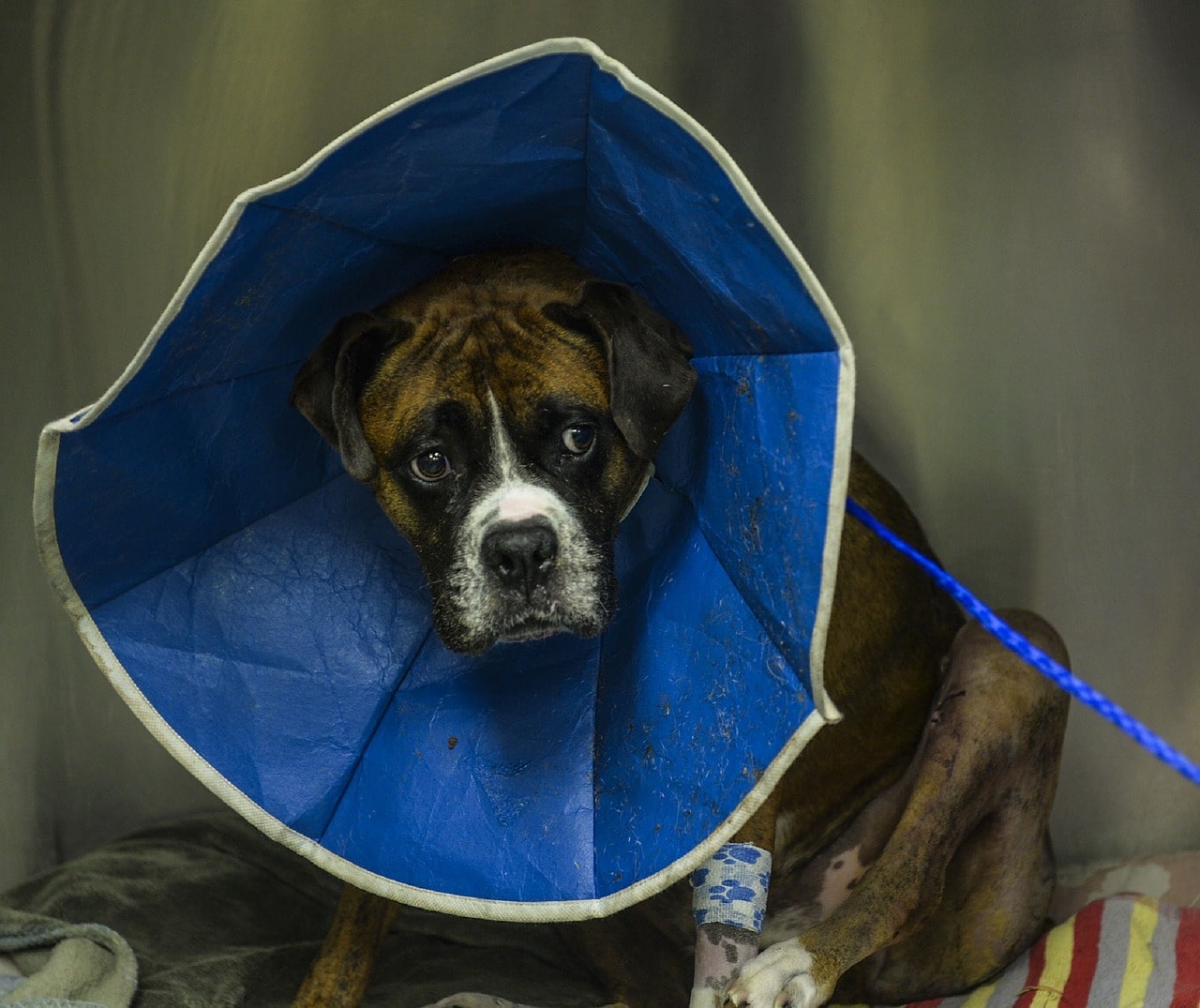
Your dog may come up home with a new "manner accessory:" the Elizabethan neckband (aka the dreaded "cone of shame.") Equally humiliating and uncomfortable as it looks, make your domestic dog wear it! It will prevent them from fussing with their stitches. The longer they wear information technology, the quicker they'll go used to it.
3. DON'T leave your dog unsupervised with other dogs. However friendly and well-significant they are, your dog's canine buddies might need to be off-limits for a while. Other dogs could interfere with your domestic dog's healing past licking the incision or playing likewise roughly.
What exercise I practise if my dog is licking their stitches?
-
Pixabay
As the wound heals and the fur begins to grow back, your dog'south incision may become itchy. This could bulldoze them to lick or chew the area. Excessive fussing with stitches could also indicate pain.
Dr. Downing explains, "Any time we come across a self-directed beliefs like licking or chewing at any torso part—especially at an incision—we need to give the pet the benefit of the doubtfulness and presume pain or discomfort. Animals take a limited number of options for expressing their discomfort, and focused self-trauma is an of import ane."
Dr. Downing advises pet owners to address the self-trauma with their veterinarian, who may decide to implement additional hurting direction. Downing lays out several options for dealing with pain, including:
- Therapeutic laser treatments.
- Calculation additional pain medication, like gabapentin.
- Providing common cold therapy (cryotherapy) at home during the first 4 days mail-op. Dr. Downing warns that cold therapy will only work if it'south applied accordingly. "Do not use bags of frozen vegetables! This is useless. Y'all can employ flexible, reusable gel packs (available at any drugstore)."
Downing provides the post-obit tips for post-surgical cold therapy:
- Use a very thin cloth between the cold pack and the skin.
- Cold application should occur no more frequently than once every two hours for 10-15 minutes per session.
- Alternatively, you can DIY your own cold packs: in a double-bagged Ziploc, combine one part isopropyl alcohol with two parts h2o to form a common cold slush.
Unfortunately, it's impossible to communicate to your dog that licking their stitches will filibuster healing. Then if the licking persists—even later their pain has been optimally managed—put a barrier in place.
-
Pixabay
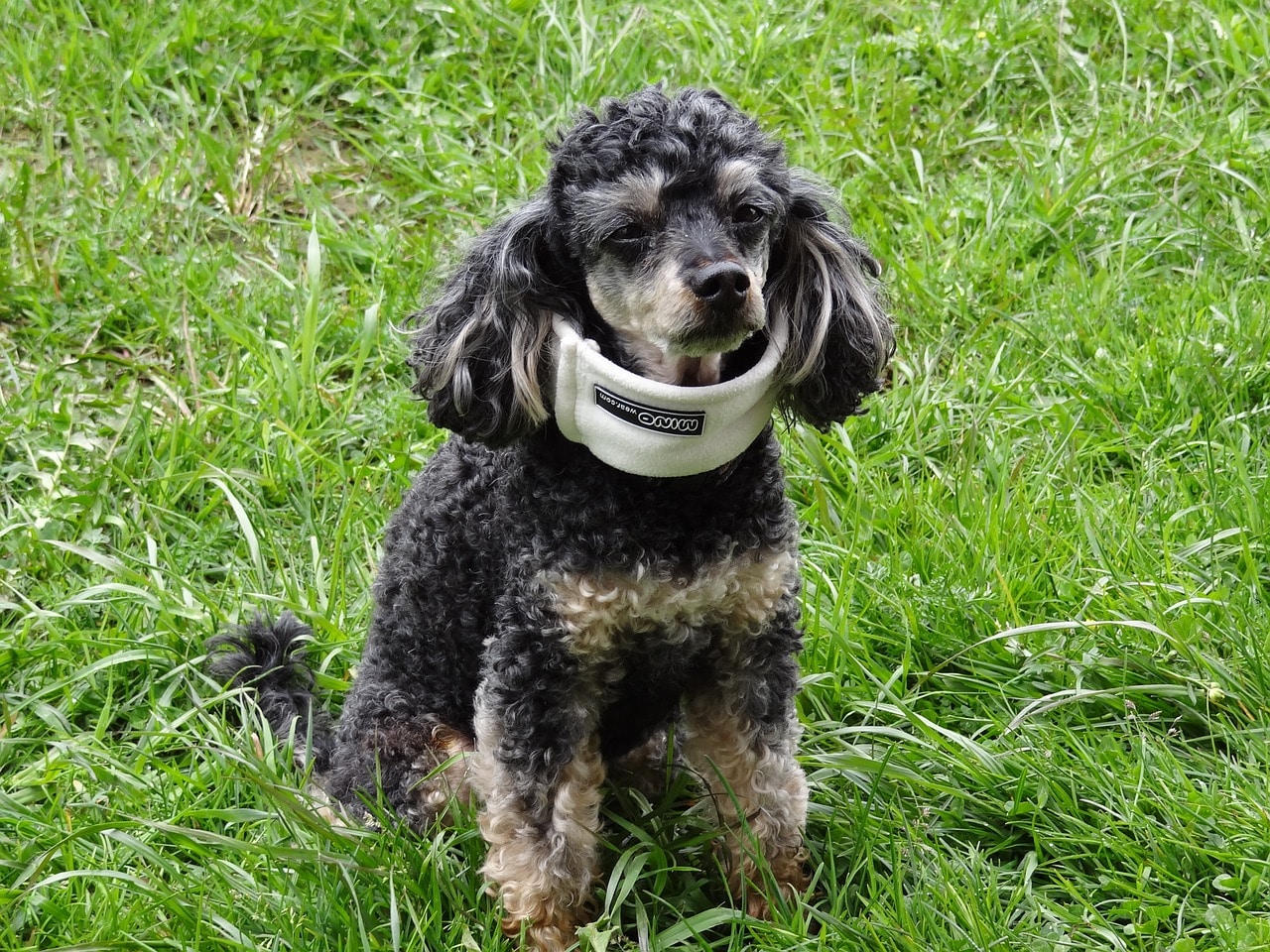
Barrier options include:
- An Elizabethan neckband, or an Due east collar. Downing recommends using the smallest size possible and opting for a articulate neckband rather than an opaque one.
- A cervix brace. These inflatable devices keep your dog from bending their cervix, making it physically impossible for them to lick their stitches.
- A form-plumbing fixtures T-shirt or ThunderShirt can be used to comprehend sutures.
If your domestic dog does manage to tear or remove any of their stitches, call your veterinarian ASAP.
How long will it accept for my dog'south incision to heal?
The length of your dog'due south recovery volition depend on the type of surgery they had. Naturally, a less invasive operation, such as neutering or spaying, should heal within a couple of weeks. A more complicated surgery, such as a hip replacement, could accept upwardly of several months to heal completely.
The type of wound closure will also dictate whether or not your domestic dog requires a return visit to the clinic to remove their stitches. Sometimes stitches will be placed underneath the skin's surface, eliminating the need for removal. Your vet may also opt for dissolvable stitches or surgical adhesive, which won't demand to be removed.
If, yet, the closure is accomplished with non-dissolving stitches or staples, a vet will typically remove them at the 2-week mark for a sterilization performance.
What should healthy stitches await like?
-

pixabay
So, you're inspecting your dog's stitches twice a day. Just what's normal here?
According to VCA Fauna Hospitals, the post-obit features indicate healthy stitches:
- Cypher gaping around the incision site—the edges should be touching each other
- A slightly cherry-red-pink color to the skin
- Bruising is normal in pale-skinned dogs
- Some swelling is normal
- A modest amount of blood from a new incision is okay
When to be concerned about your domestic dog'southward stitches
In that location are several unmistakable signs of an infected wound. Contact your vet immediately if you lot observe any of the following:
- Continuous blood or fluids dripping from the incision site
- Excessive pus or seepage of white or yellow fluid
- Excessive redness of the pare
- Unpleasant smells
- Estrus
Most canine surgeries volition be straightforward and complimentary of complications. As long as you lot give your canis familiaris plenty of fourth dimension to rest and go on their sutures clean and dry out, they should exist back to normal in no time.
_
Feature image via Flickr/Doc Searls

Source: https://www.rover.com/blog/caring-dog-stitches/
Posted by: humphreylien1979.blogspot.com
0 Response to "Can I Clean My Dogs Neuter Incision"
Post a Comment